

Key Takeaways
- 1Scalable growth depends on how intelligently a business extends its operating capacity.
- 2Outsourcing works best when it protects internal focus while expanding execution power.
- 3The strongest outsourcing models improve agility, resilience, and decision-making not just costs.
- 4Businesses that scale well do not simply add people; they build effective ways to get work done.
Businesses scale without increasing internal headcount by combining internal leadership with specialized external expertise.
In 2026, the most effective outsourcing strategies focus on co-sourcing, right-shoring, AI acceleration, data-driven operations, and business continuity. As a result, outsourcing has evolved from a cost-reduction tactic into a strategic operating model.
Organizations that adopt these approaches gain capacity, resilience, and specialized talent without adding fixed labor costs.
Why Traditional Hiring Is No Longer the Only Path to Growth
Many organizations face the same challenge: growth opportunities are increasing while talent shortages, labor costs, and technology demands continue to rise. Hiring more employees is often slower, more expensive, and less flexible than leaders expect.
The companies scaling fastest today are not simply hiring more people. They are redesigning how work gets done.
The 5 Strategies Driving Outsourcing Success in 2026
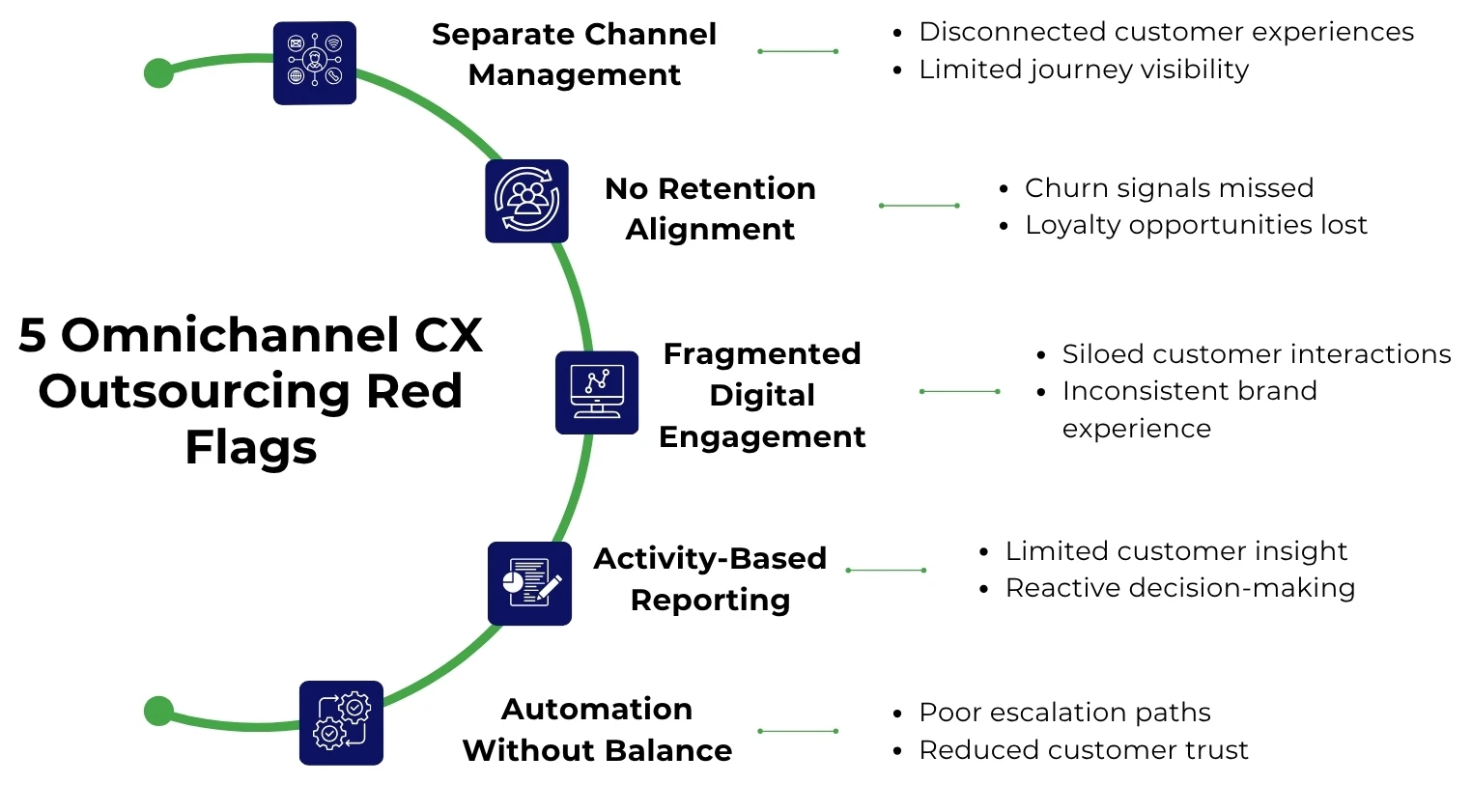
Five outsourcing strategies that help businesses scale
Strategy 1: Co-Sourcing Expands Capacity Without Losing Control
Co-sourcing is an outsourcing model in which external specialists work alongside internal teams, while leadership retains strategic control.
Unlike traditional outsourcing, co-sourcing strengthens your operating model rather than creating distance from it.
Business impact: Co-sourcing helps organizations scale execution while preserving alignment, governance, and strategic control.
Strategy 2: Right-Shoring Creates Access to Specialized Talent
Right-shoring aligns talent location with business requirements rather than choosing resources solely based on geography or cost.
For functions like analytics, finance, customer experience, and technology support, right-shoring often delivers faster results than local recruitment alone.
Business impact: Right-shoring expands access to specialized talent, improves workforce flexibility, and reduces the constraints of local hiring markets.
Strategy 3: Use Outsourcing to Accelerate AI Adoption
Many AI initiatives stall because organizations lack the specialized expertise needed to evaluate, implement, and scale solutions effectively.
AI success rarely depends on software alone. It depends on having the expertise to integrate technology into real business processes. Outsourcing can provide access to specialized expertise that helps organizations identify opportunities, streamline implementation, and realize value from AI investments faster.
Business impact: Organizations can accelerate AI adoption, reduce implementation risk, and achieve productivity gains without building large internal teams from scratch.
Strategy 4: Build a Data-Driven Operating Model
A data-driven operating model uses reporting, analytics, and performance visibility to improve decision-making across the organization.
Many businesses have access to more data than ever before, but struggle to convert it into meaningful insights. External specialists can help improve reporting accuracy, establish performance visibility, and provide the analytical support needed to make faster, more informed decisions.
Business impact: Stronger analytics capabilities help organizations improve decision-making, identify opportunities faster, and align operations more closely with business objectives.
Strategy 5: Strengthen Business Continuity Through Distributed Operations
Business continuity has become a strategic priority as organizations navigate economic uncertainty, technology disruptions, cybersecurity risks, and evolving workforce expectations.
By diversifying resources across locations and teams, businesses become less vulnerable to disruption while remaining prepared for future growth.
Business impact: Distributed operations reduce operational risk and help organizations maintain continuity during disruptions while supporting long-term scalability.
What Functions Should Stay In-House?
Strategic outsourcing does not mean outsourcing everything. Companies should retain ownership of functions that define competitive advantage, shape business direction, or require executive judgment.
Keep ownership of:
- Business strategy
- Product direction
- Executive decision-making
- Intellectual property
- Key customer relationships
The rule is simple: keep ownership where judgment creates value and outsource execution where scale creates value.
Scale Without Expanding Internal Headcount
The most successful organizations are not outsourcing to reduce costs. They are outsourcing to increase capability, flexibility, and resilience.
At Premier NX, we believe businesses should retain strategic ownership while scaling execution through co-sourced expertise, right-shored talent, and technology-enabled operations.
Book a Growth Capacity Diagnostic to identify where external expertise can help you scale faster, improve productivity, and avoid unnecessary headcount growth.