
I went to Spark 26 at Hilton Birmingham Metropole, expecting the familiar mix of tooling roadmaps, automation case studies, and discussions around SLAs.
What I found instead was a conversation that has been quietly reshaping service desk and IT operations, a shift from measuring speed to managing experience.
For anyone watching this space closely, the shift has been building. What made Spark 26 different was how far the conversation had moved from theory to practice. Organisations are no longer asking whether they should measure experience. They are asking how to operationalise it without breaking existing processes.
From SLAs to XLAs: Experience Becomes the Metric
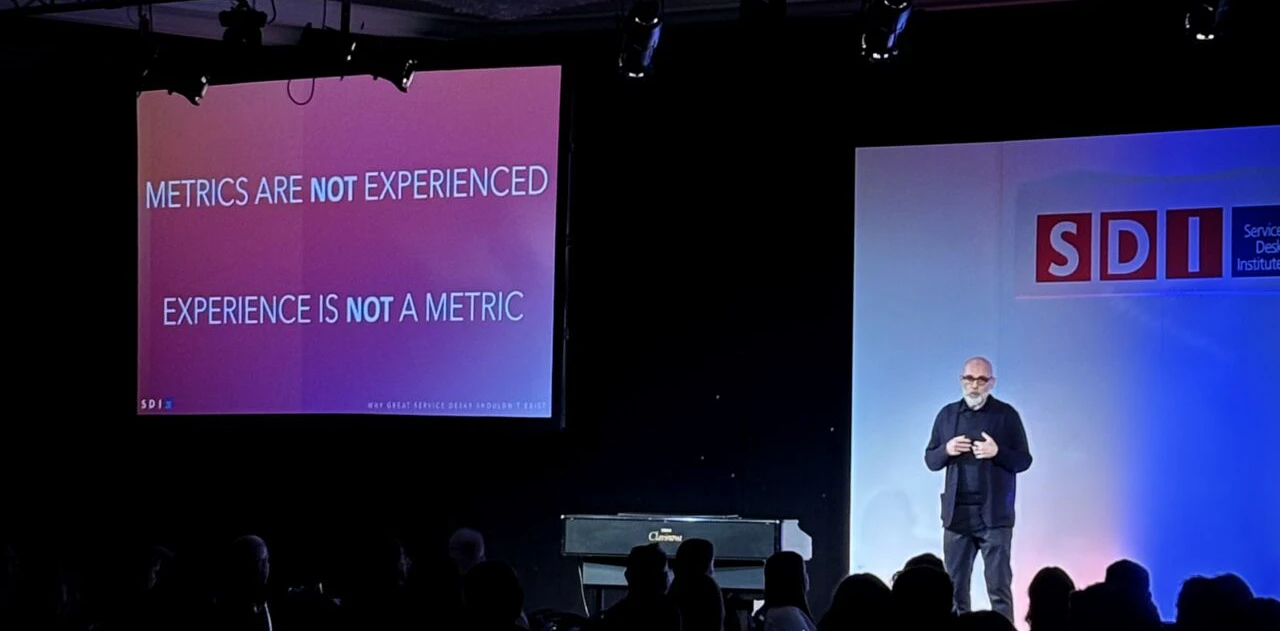
The session “From Mission to Experience” by Dr. Josh Nelson of Power Design Inc. framed the entire day. He walked through the lifecycle of a support ticket, not from the system’s perspective, but from the customer’s.
What matters to users is not just how fast the ticket is closed. It is whether they felt informed, whether they knew who was responsible, and whether the process reduced their anxiety. In many cases, uncertainty creates more friction than the delay itself. Lack of updates and unclear ownership create more friction than the resolution itself.
This is driving a shift from SLAs (Service Level Agreements) to XLAs (Experience Level Agreements). Instead of just tracking response and resolution times, organisations are now measuring perception, confidence, and emotional response.
Simple in concept. Profound in its implications for how we design support organisations. You cannot improve what you do not measure. If you only measure speed, you optimise for speed, sometimes at the expense of trust. If you measure experience, you start to redesign the entire journey around the person on the other end.
AI Is Operational Now, Not Experimental
Walking the floor, the AI conversations felt different from last year. Less hype. More pragmatism.
AI is being embedded into real workflows: ticket routing, auto-resolution, and knowledge management. The question has shifted from “if” to “how”, specifically, how to deploy AI without breaking the experience.
A recurring theme was the human-AI hybrid model. Most organisations are not replacing their service desk teams, but augmenting them. AI handles the repetitive, high-volume work, freeing people to focus on complex issues and high-touch interactions. This is especially relevant for organisations trying to scale without multiplying headcount.
Self-Service That Actually Serves
Another theme that surfaced repeatedly was self-service, not as a cost-cutting exercise, but as an experience enabler.
Portals, knowledge bases, and chatbots that actually resolve issues are becoming table stakes. But the bar has risen. Users do not want to dig through FAQs. They want conversational interfaces that understand intent and escalate seamlessly when needed. The organisations that get this right see higher satisfaction and lower operational strain.
The Accountability Problem: RASCI to the Rescue
One of the more practical takeaways from the session was the use of the RASCI (Responsible, Accountable, Support, Consulted, Informed) model to address internal bottlenecks. In complex service environments, tickets often languish because no one knows who is accountable for the next step. RASCI provides a clear framework to define ownership across teams.
Basic, yes. And often the missing piece that turns a chaotic process into a reliable one.
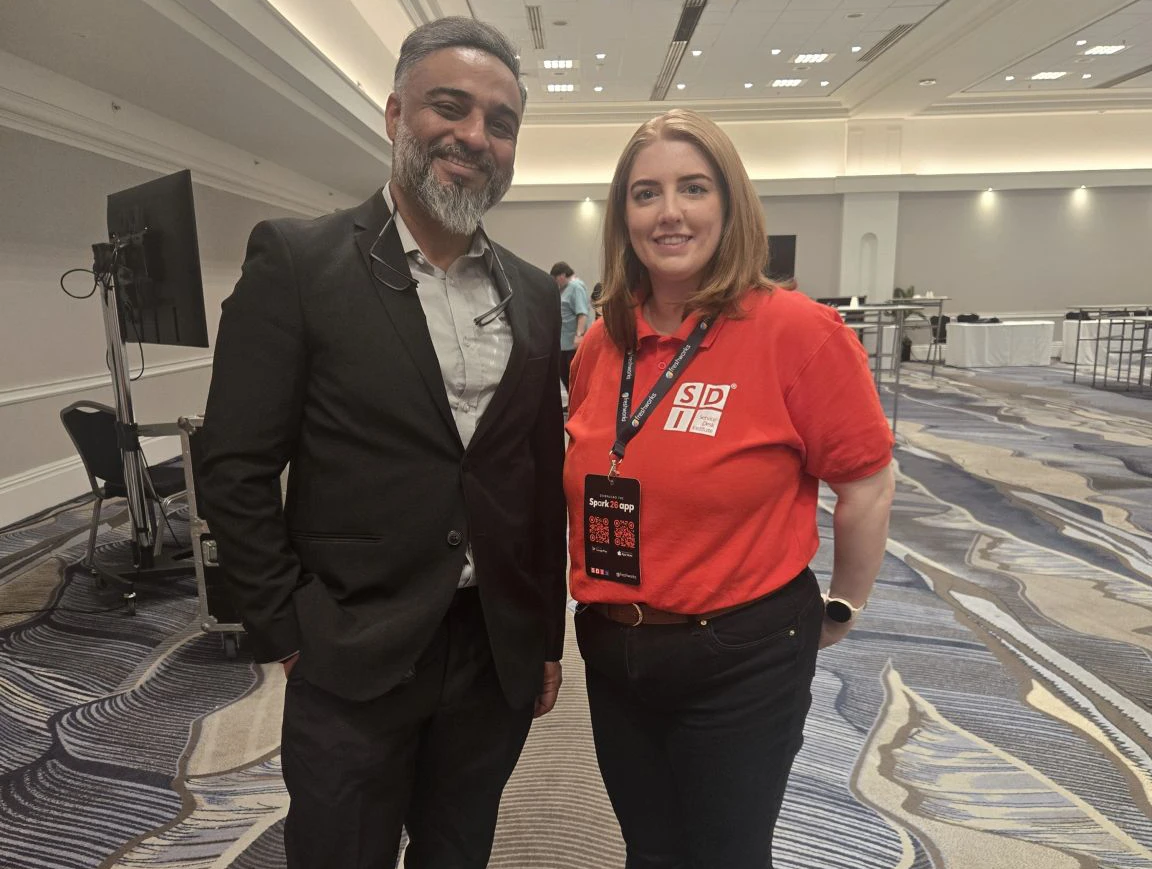
Great to meet Lauren Phillips at Spark 26, exploring how her initiatives help professionals and organizations enhance their support capabilities.
What This Means for Premier NX
Spark 26 confirmed what we at Premier NX have been seeing across the market: the organisations that win are not those with the most advanced tools. They are the ones that combine technology with a relentless focus on experience, and recognise that they cannot build that capability alone.
The shift from SLAs to XLAs, the operationalisation of AI, and the demand for self-service that actually works are not just trends. They are structural changes that require new capabilities, new metrics, and new ways of working.
These shifts highlight a broader change in how service organisations need to operate. At Premier NX, we are seeing this play out across engagements, with the focus shifting from handling volume to designing service operations that users actually trust. Whether it is designing Human-in-the-Loop workflows, embedding accountability into service processes, or simply ensuring that the people and processes behind the technology are aligned, we are the partner that makes the machine run so our clients can focus on their mission.
Final Thought
If you are leading a service desk, IT operations, or customer experience function, ask yourself this: Are you measuring what your users actually feel? And do you have the operational depth to deliver on both speed and experience?
Over the past year, I have seen too many service desks optimise for speed while quietly eroding trust. The ones that get it right are those willing to rethink how they measure, staff, and partner.
The organisations that answer that question honestly are the ones that will turn support from a cost into a competitive advantage.
The organisations that get this right are turning support into a competitive advantage, not just a cost centre, whether you are wrestling with AI adoption, experience metrics, or just trying to scale without breaking what makes your service human.
Author’s Note: Thank you to Dr. Josh Nelson for a session that cut through the noise, and to Lauren Phillips at SDI for the conversation on where this industry is headed. And to everyone who shared their challenges openly, it is a reminder that the best insights come from honest conversations about what is hard.
About the Author

Sheraz Chaudhry
Head of Sales, Europe at Premier NXSheraz Chaudhry is Head of Sales, Europe at Premier NX, a leading provider of technology-enabled outsourcing solutions. With a background that includes founding membership at The Resource Group and leadership roles at Nielsen, he brings deep expertise in revenue strategy, partnerships, and data-driven innovation to the leaders he works with today.